Leaks where a roof meets a chimney or a wall
Chimney Flashing in Maplewood, NJ
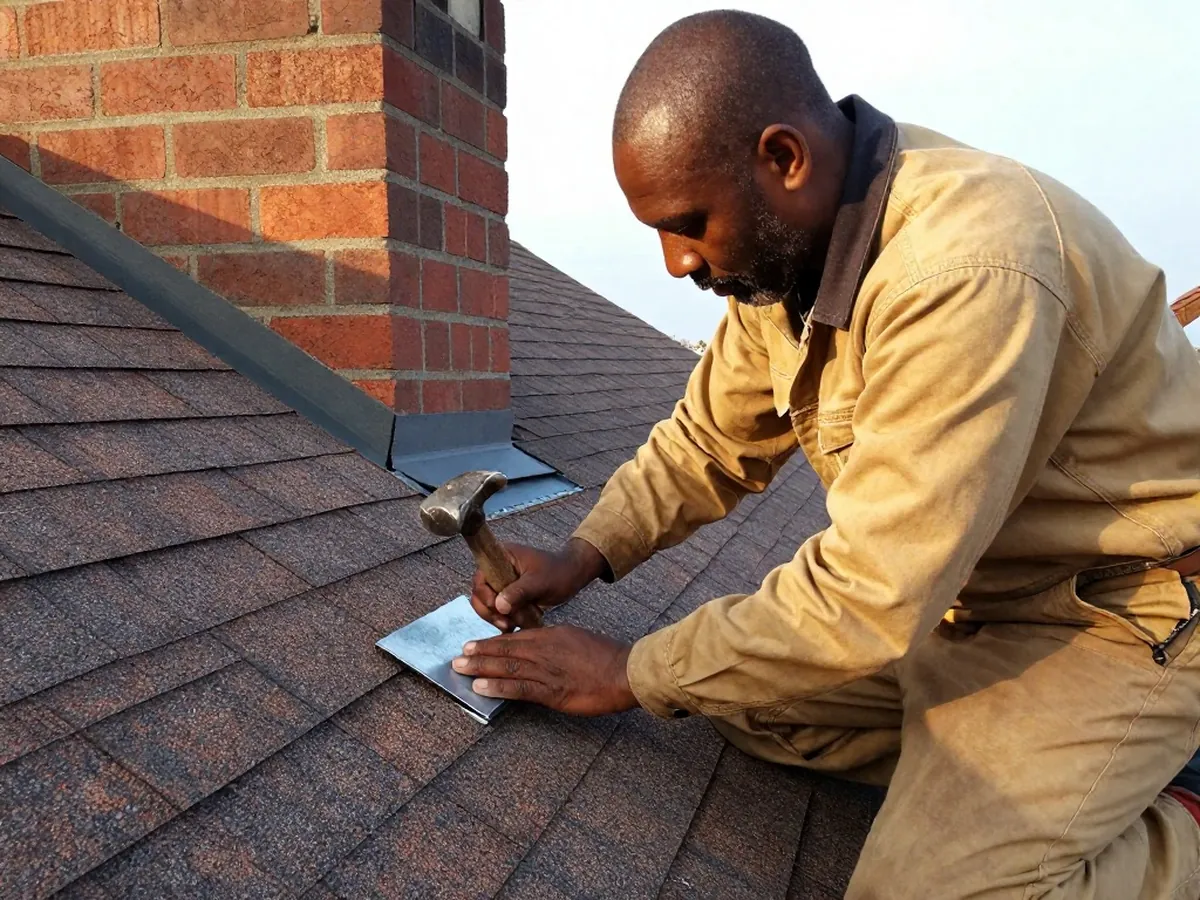
Chimney flashing trouble in Maplewood, NJ tends to show as a mark on the wall next to the chimney, damp plaster near a dormer or a drip that follows rain from one direction. Call (862) 358-4524, say which wall the water reaches, and the contractor can describe what a look at the metal involves.
Have these ready
Where the water shows, and which way the rain came
- The wall, room or ceiling closest to the chimney or dormer.
- The direction the rain was blowing when the drip began.
- Whether sealant or metal has been touched up before.
- Photos of the chimney base from the yard.
How soon is soon
A gauge for the wall stain by the chimney
A carbon monoxide alarm, a smell of gas, loose bricks, water near wiring
Get out or keep clear, then call 911 or the utility
A stain that returns with each rain from the same side
Call (862) 358-4524 this week and mention the wind direction
A faint mark that has not changed since last season
Photograph it and compare after the next hard rain
Get away and call for help if
- Loose bricks or a chimney that leans: stay away from its base, keep others clear and call 911.
- A carbon monoxide alarm sounding, or a smell of gas: get outside with everyone first, and phone 911 or the gas utility from there.
- Water running down a wall toward an outlet or fixture: walk out of the room, then dial 911 from a dry spot.
- A wet or icy roof around the chimney: do not climb up, since metal and mortar are both slick.
Five questions
Questions this job brings up
What is flashing, and why does it matter?
Flashing is the metal that seals the seam where roof meets chimney, wall or vent. According to the National Park Service, flashing failure is a usual major cause of roof deterioration, while FEMA tells builders to watch roof-to-wall flashing closely.
How is chimney flashing built up?
The Building America Solution Center describes upper pieces of counterflashing tucked into the chimney's mortar joints, overlapping base flashing that is nailed to the roof deck. Water that gets past one layer meets the next, so every overlap and joint counts.
Why do chimney leaks show in the attic first?
The roofing manufacturers' trade group singles out flashings as the most vulnerable points when checking the attic side of a roof after a storm. A damp patch beside the chimney there often explains a stain on the floor below.
What metals go into flashing on an older house?
The National Park Service says lead was the historic choice and that lead-coated copper, terne-coated steel and aluminum/zinc-coated steel can stand in for tin, terne, zinc or lead. It warns that steel nails in copper sheets cause galvanic corrosion, so fasteners need to suit the metal.
Does chimney flashing work reach all six towns?
Yes. The contractor covers Maplewood and the five towns around it. South Orange roofing, West Orange roofing, Millburn roofing, Irvington roofing and Union roofing all have pages of their own. Call (862) 358-4524 and say which wall the water reaches.
Looks from the ground
Stick to looks taken from the yard, a window or the attic hatch. Anything that needs a ladder or a walk across the roof belongs to a roofer.
- Use binoculars on the base of the chimney from the yard. Look for gaps, lifted edges or bright metal against dark brick.
- In the attic, look at the chimney's sides and the nearby roof boards for dark stains, by flashlight and in daylight if you can.
- Write down which wall and which room show water, and which way the rain was blowing.
- Photograph the chimney from each safe angle so later changes show up.
Questions for the roofer
Asking about the metal and how it is fastened
Ask what metal the new flashing will be and how the upper pieces get set into the masonry. Ask what happens to the old sealant and whether the shingles around the chimney come up too.
Ask which nails and fasteners will be used. The National Park Service says mixing steel nails with copper sheet invites corrosion.
What you might notice
What you might notice
- A stain on the ceiling or wall right beside a chimney
- Rust streaks or lifted metal where the chimney meets the roof
- Cracked or missing sealant along a metal edge
- A drip that appears when rain arrives from one direction
- Damp plaster or peeling paint around a dormer or a vent pipe
Moves that backfire
Why a tube of sealant is not the whole answer
- Smearing sealant over a gap can hide the gap without closing the layers underneath it.
- Climbing to the chimney after rain, when mortar and metal are slick.
- Skipping the mortar joints, where the upper pieces of flashing are tucked in.
Where the paperwork lives
Chimney work and the paperwork
The state's ordinary maintenance item names roof-covering work on detached one- and two-family houses. Whether a chimney job fits inside it is a question for the town's building office, especially when masonry is involved, because work that touches structure or fire safety falls outside the exemption.
The rules page lists those offices.