A close look before small problems spread
Roof Check in Maplewood, NJ
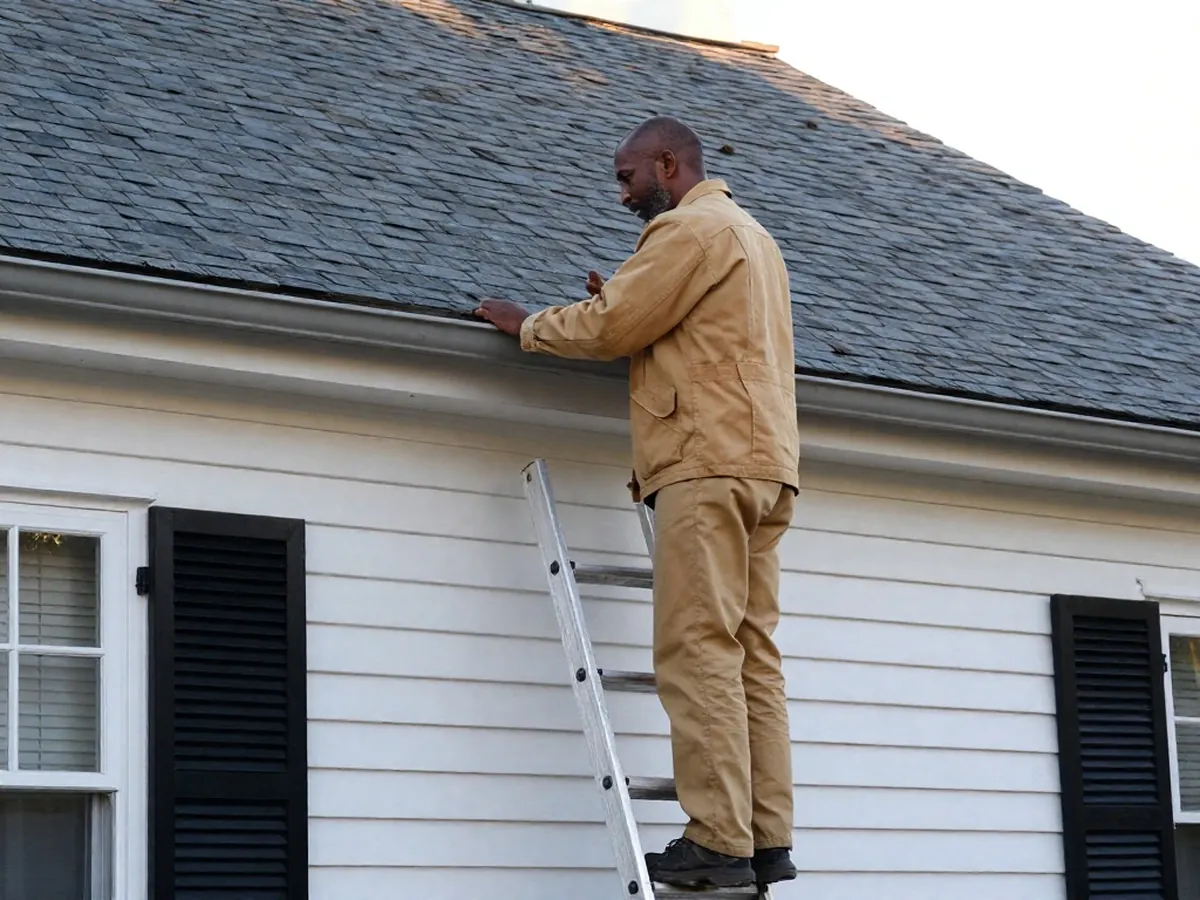
A roof check in Maplewood, NJ puts a roofer's eyes on the shingles, flashing, vents and attic side of the boards that a homeowner cannot reach safely. Call (862) 358-4524 when you are buying a house, coming off a rough storm or wondering how old the roof is.
Have these ready
What to tell the roofer before a check
- The street address and why you want the roof looked at.
- The roof's age, if a seller, an invoice or a past owner gave a date.
- Any stains, drips or storm damage you already know about.
- Photos you took from the yard or the attic hatch.
How soon is soon
Is a check urgent? A rough gauge
A sagging ceiling, water at a fixture, a wire down
Skip the check; get everyone away, then call 911 or the electric utility
A stain that grows, or a storm that left shingles on the lawn
Call (862) 358-4524 this week and request a look at the roof
Curiosity, a house purchase or a seasonal habit
Plan a check around your calendar and gather photos first
Get away and call for help if
- Do not climb a ladder to look yourself. NIOSH puts ladder-fall deaths in the U.S. above 100 a year.
- Overhead wires near the roof edge: keep ladders and long tools at least ten feet away. If anything touches a line, call 911 or the utility.
- A ceiling that sags or bulges: get out from beneath it and dial 911.
- A roof surface that is wet, icy or steep: stay on the ground and look with binoculars.
Five questions
Questions this job brings up
What does a roofer look at during a roof check?
The roofing manufacturers' trade group lists missing or loose shingles, flashing around chimneys and walls, clogged gutters, and the underside of the roof seen from the attic. It calls flashings the most vulnerable points. The National Park Service adds that flashing failure usually ranks as a major cause of roof deterioration.
Can I do the check myself?
Part of it, from the ground. Binoculars, a window and the attic hatch cover a lot. The ladder part belongs to a roofer: NIOSH says to set a ladder on level ground at about 75 degrees. The ladder rises three feet above the roof edge, and the climber keeps three limbs on it.
When does it make sense to have a roof looked at?
After a storm that scattered debris, when a house changes hands, and before winter. Newark's low temperature sits at or below 32 degrees on an average 22.6 January days, according to NOAA's 1991-2020 normals, and freezing weather finds every gap.
What gets written down after a check?
The slopes looked at, what turned up and a photo of each finding. Work over $500 falls under New Jersey's home improvement rule. That rule wants a written contract spelling out the work, the main materials, the total price, plus when the job begins and ends.
Is a roof check available across all six towns?
Yes. The contractor covers Maplewood and the five towns around it. South Orange roofing, West Orange roofing, Millburn roofing, Irvington roofing and Union roofing all have pages of their own. Call (862) 358-4524 and mention anything you spotted from the yard.
Looks from the ground
Stick to looks taken from the yard, a window or the attic hatch. Anything that needs a ladder or a walk across the roof belongs to a roofer.
- Take photos of each slope from the same spots every spring and fall. Comparing them shows change that memory misses.
- Lift the attic hatch and check the roof boards by flashlight for stains, damp insulation or daylight.
- Note which gutters overflow in heavy rain. Overflow often marks a clog or a sag worth reporting.
- From a window or the yard, look at the chimney, the vent pipes and the lines where the roof meets a wall.
Questions for the roofer
Questions for whoever climbs up
Ask whether every slope gets photographed and whether the attic side gets a look. Ask how flashing at the chimney and walls is judged, and what in the roof counts as worn out rather than damaged.
Ask for the findings in writing with photos, including the things that need no action yet.
What you might notice
What you might notice
- A roof of unknown age on a house you just bought or may buy
- A hard storm has passed and the lawn is covered with debris
- Shingle grit or small bits at the bottom of the downspouts
- A faint ceiling stain that has not grown but never faded
- A wave, a bare spot or a patch of moss that looks new this year
Moves that backfire
Four ways a roof check goes wrong at home
- Climbing a ladder alone, near wires or on damp footing.
- Poking a stained ceiling to see how bad it is.
- Looking only at shingles and skipping the gutters and the metal at the chimney.
- Keeping no record, so next year's look has nothing to compare against.
Where the paperwork lives
When a check turns into a job
A look at the roof needs no paperwork. A job that follows might. The state code calls re-covering or mending the roof of a detached house with one or two units ordinary maintenance, while attached houses and structural work are treated differently.
The rules page lists each town's office for the questions that remain.