Six answers in one glance
| Question | Short answer |
|---|---|
| Wire down? | Stay 30 feet back, treat it as live, call 911 or PSE&G |
| Look at the roof? | From the ground, a window and the attic hatch; leave ladders alone |
| Photos? | Yes, before anything is thrown out, plus every receipt |
| Who first? | Your insurer, then the roofer; you do not have to use the insurer's pick |
| Door-knocker? | Be wary of money up front; ask about the three-day cancel right |
| Contract? | In writing for work over $500, with materials and dates |
Is the wire on the ground really dangerous?
Yes, treat it that way. PSE&G says to keep at least 30 feet between you and any downed wire, which is two full pole spans, and to treat every one as live, including phone and cable lines. Reports go to 911 or to PSE&G, 1-800-436-7734.
Leave a tree tangled in wires alone, too. PSE&G says not to cut or remove one, and the state weather network's recap of Tropical Storm Isaias mentions a death from a live power line during cleanup.
Can I look at the roof myself?
From the ground, yes. After Superstorm Sandy the roofing manufacturers' trade group advised a first inspection from the ground or through upstairs windows, with binoculars if possible. Then comes the attic, to check for leaks around the flashings.
The ladder is another matter. NIOSH puts ladder-fall deaths in the U.S. above 100 a year. It says to keep ten feet or more between the ladder and any power line. The ladder rises three feet above the roof edge and stands on level, firm ground at about 75 degrees.
What do I photograph, and what do I keep?
The state insurance department recommends taking pictures of all damaged property before disposing of it, and keeping the damaged items when possible until the insurer says how to proceed. It also says to save every receipt and bill for temporary repairs.
Dated photos of the lawn, each slope and each stained ceiling cover most of it. A single envelope for receipts keeps them from scattering.
Who gets the first phone call, the insurer or the roofer?
The department advises calling your agent or insurer as soon as possible to report the loss, with your policy number ready. The insurer assigns a claim adjuster to inspect the damage and decide coverage.
The same page adds that using the insurer's recommended contractor is not required. The department's consumer hotline is 1-800-446-7467, staffed weekdays 8:30 to 5:00.
What about the person knocking on my door?
The roofing trade group warns that storms bring in contractors who take advantage of the moment, and advises caution with anyone who asks for money up front.
A federal rule lets you cancel many sales made at your home, workplace or dormitory within three days, counting to midnight of the third business day. It excludes sales needed to meet an emergency and sales made because you invited the seller to come for a repair or maintenance visit. The seller has to tell you about the right to cancel at the time of the sale.
What goes into a repair contract?
Past $500 of home improvement work, New Jersey wants a written contract. The seller and address are named, the work and principal materials described, and any written promises listed. The price, the start date and the completion date are set too. Changes made after signing are written and signed by all parties.
The seller does not start before the permits the job calls for are issued, and inspection certificates reach the buyer ahead of the final payment. The rules page has the rest.
When is it time to call the roofer?
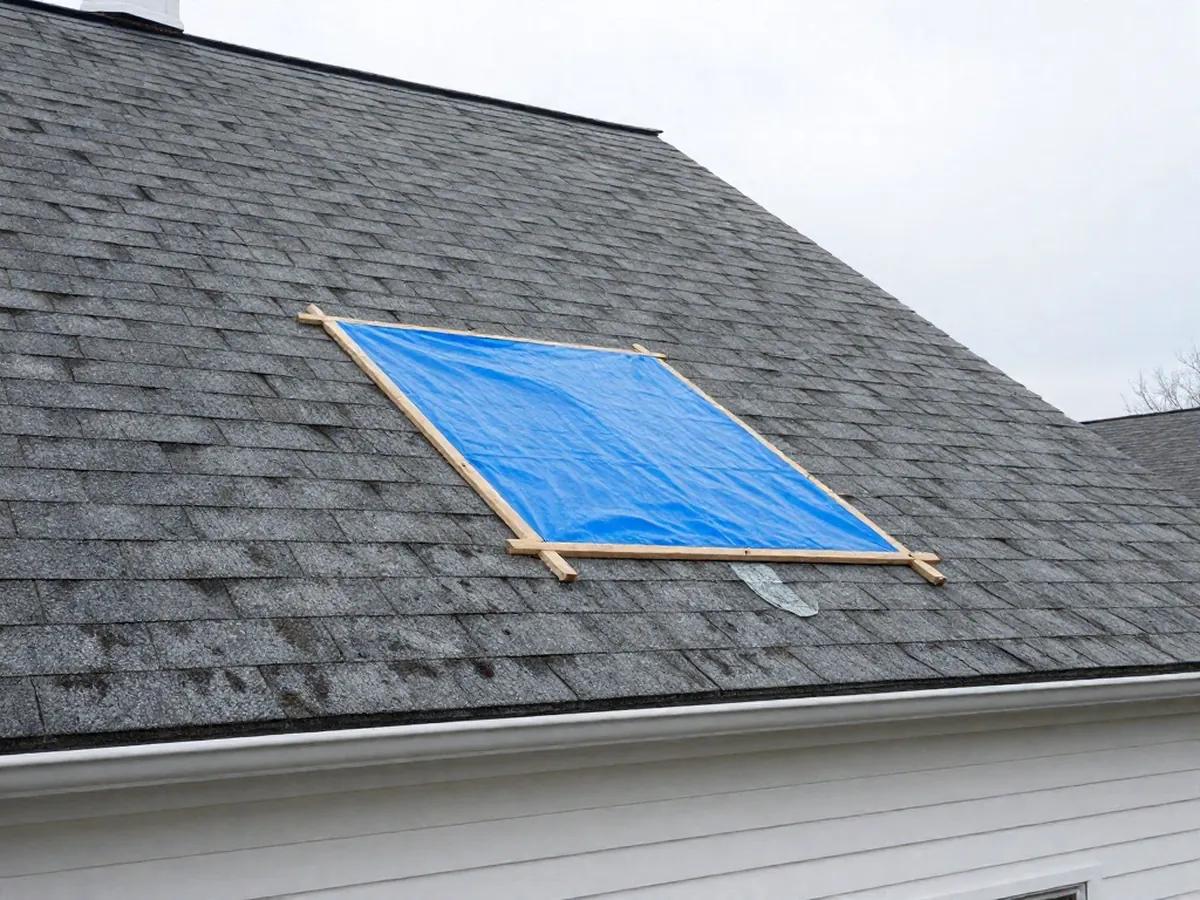
When the ground-level look shows missing shingles, bent metal or a new stain, that is time. Storm-damaged roofs covers what a visit can look at, and a roof check covers the rest.
Call (862) 358-4524 and tell the story in order: the wires, the lawn, the attic, the ceiling. Renting? The landlord or property manager needs the story before a roofer does.